House cleaning in old Cranbourne and the new estates
A fast-growing town
Victorian Places puts Cranbourne's population at 1800 in 1976 and 14,005 in 1986, with housing taking off through the 1980s and 1990s. Plenty of homes near the centre have been lived in for decades.
Estates that came later
The ABS estimates Cranbourne East-North grew from 810 people in 2001 to 23,753 in 2021, and Cranbourne North-East from 13 people to 12,920.
Bigger households out there
In 2021 the average household in the ABS's Cranbourne North-East area was 3.5 people, against 2.7 in its Cranbourne area. More people in the same size house means more bathroom and kitchen work, so say who lives there.
Renters near the line
34% of occupied homes in the ABS's Cranbourne area were rented in the 2021 Census, against 24% to 28% in the Cranbourne East and North areas. The Cranbourne line ends at Cranbourne station, 43 km from the CBD.
Casey hard waste
City of Casey homes get two hard waste collections a calendar year. Each pile has to fit within three cubic metres and goes on the nature strip the Sunday before your collection week.
Deep clean or end of lease cleaning in Cranbourne?
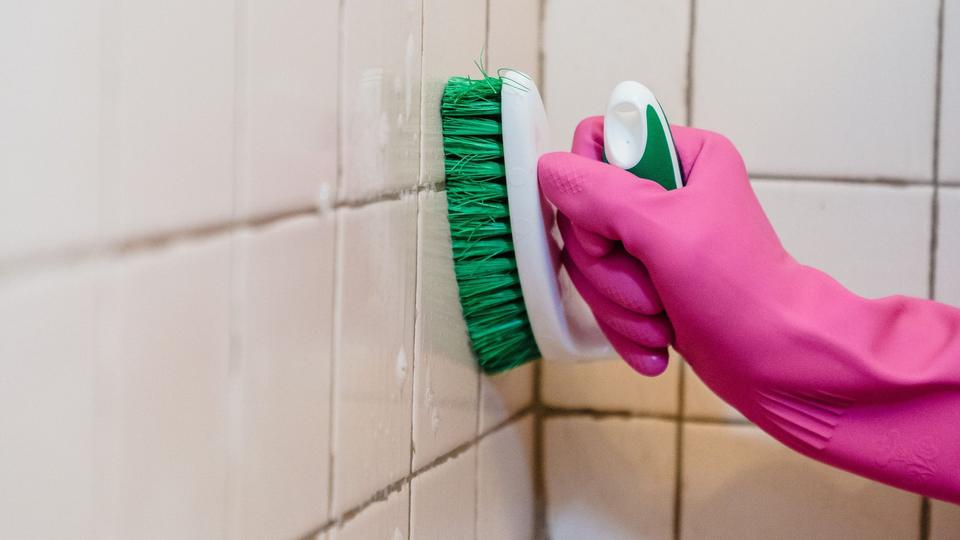
A house that's been lived in for years usually needs a one-off deep clean before regular visits make sense: rangehood filters, shower grout, window tracks and behind the fridge. After that, a regular clean is upkeep.
Renting? Your entry condition report is the yardstick, not the newest house in the estate. Victorian law asks for the place back reasonably clean and as it was at the start, less fair wear and tear, and the end of lease clean page goes through the rest.
What we'd ask Cranbourne house cleaners to quote
In an older Cranbourne house, we'd book one deep clean and tick the rangehood, the shower and the window tracks on the request. Then ask the business to quote a regular clean as a separate, smaller job, so you can see what each visit covers.